Key Takeaways
-
Protein availability needs to go up, not down: healthy aging dogs typically need more bioavailable protein than younger adults to offset age-related muscle loss.
-
Sarcopenia is the silent driver: age-related muscle loss progresses quietly and accelerates when dietary protein is reduced too aggressively.
-
Joint care is multi-layered: EPA and DHA from fish, lean body weight, and veterinary guidance work together; food alone cannot treat arthritis.
Most pet parents assume aging dogs need less of everything: less protein, less fat, lighter recipes. The research actually points the other way, and choosing the right senior dog food can change how your dog moves, eats, and feels every day.
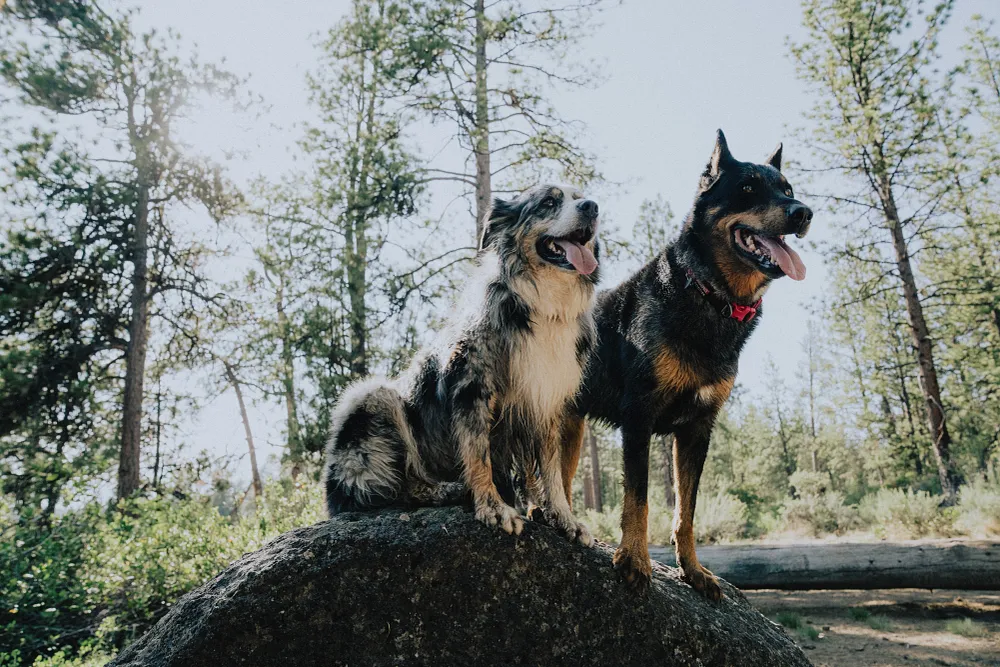
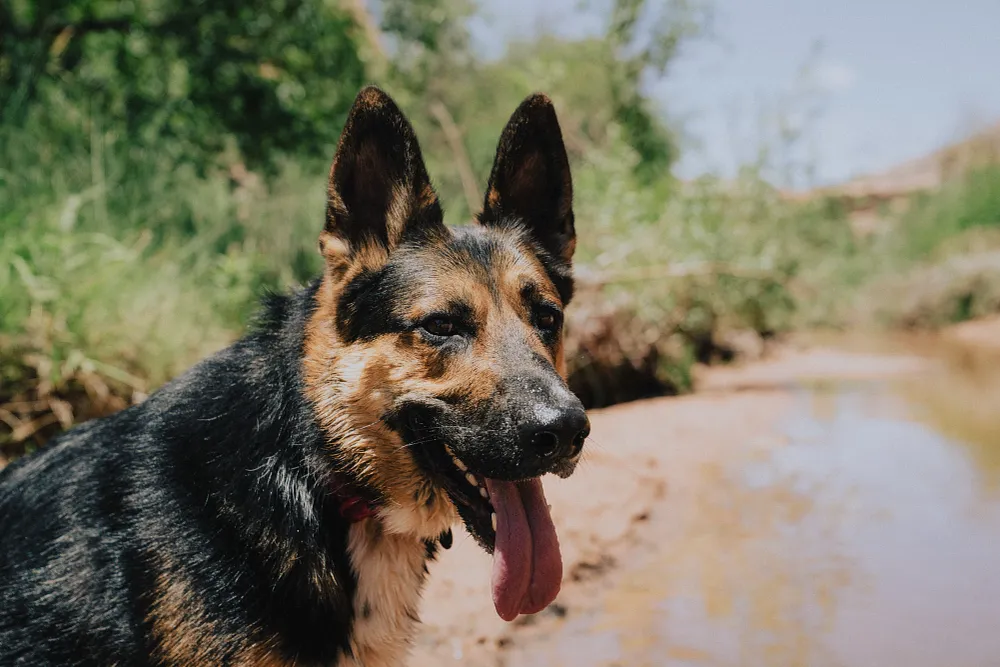
Your dog's greying muzzle, slower mornings, and quieter walks ask more of you, not less. Feeding well is one of the most direct ways you can stand beside your dog through this chapter, and it starts with understanding what their body needs now.
This article walks you through what changes nutritionally when dogs reach senior dog age, how joint health fits into the picture, and which format of food works best for your aging dog. The goal is never less food. It is the right food.
Much of what gets marketed as best senior dog food is built around a simple assumption: older dogs need less of everything. The science on muscle loss and protein metabolism tells a more useful story, and that is where we will start.
When Is a Dog Considered Senior?
You probably noticed it before the vet ever said the word. A little more rest after the park, a slower climb up the stairs, a softer bark at the door. Your dog crossed into senior hood the way most dogs do: quietly.
Senior dog age depends largely on breed size. Small breeds typically reach senior status around 11 to 12 years, medium breeds around 10, large breeds around 8, and giant breeds as early as 7 [1]. According to the Canadian Veterinary Medical Association, the timing of that transition shapes how nutrition should change to support healthy aging [2].
This matters for food because the window when you switch to a true senior dog food affects how well your dog adapts to the next stage. Move too early and you cut calories your active adult still needs. Wait too long and you miss the chance to support muscle and joints when those systems first start asking for help. Browse the ORIJEN™ Senior Dog Food when you are ready to explore recipes built for this transition.
Knowing when your dog is officially a senior is one thing. Understanding what is happening inside their body is what actually shapes your feeding choices, and the most important change starts with muscle.
Sarcopenia: Why Senior Dogs Lose Muscle and How Nutrition Can Help
You lift your dog into the car a little more often now. Maybe the back legs shake on the way up the steps. That gradual loss of strength has a name, and it is the single most important nutritional story of your dog's senior years.
Sarcopenia is the age-related loss of skeletal muscle mass and strength, a natural process that accelerates once dogs reach senior status, and it is different from weight loss caused by illness or undereating [3]. It is happening in healthy dogs, too, which is what makes it so easy to miss.
The reason it happens comes down to a phenomenon called anabolic resistance, which simply means an aging body has a harder time turning the protein in food into the protein it needs for muscle [4]. The same bowl of food that built strong muscle at age three produces less muscle protein synthesis at age ten.
Without dietary compensation from higher-quality, more bioavailable protein, muscle mass declines steadily, and that decline affects your dog's mobility, immune function, metabolism, and quality of life [5]. Lean muscles are not cosmetic for senior dogs. It is structural.
Many senior dog food formulas on the market reduce protein based on the older idea that aging dogs need less of it, either to protect the kidneys or because activity is lower. Current research on healthy senior dogs does not support that approach and following it can accelerate exactly the muscle loss the food was supposed to prevent [6]. A dog already struggling to convert protein into muscle needs more high-quality protein, not less.
Protein is the foundation, but it is not the whole story. As your dog ages, several other nutritional needs to shift alongside protein, and they all work together.
How Nutritional Needs Actually Change with Age
You may have stood in the supplement aisle wondering whether any of those bottles really matter for your dog. The short answer is that some nutrients have stronger evidence behind them than others, and most of the important ones already live inside a thoughtfully built diet.
Antioxidants from whole-food sources support cognitive function in aging dogs, with studies showing measurable improvements in learning and memory in older dogs fed antioxidant-enriched diets within 6 to 12 weeks [7].
Omega-3 fatty acids and antioxidants also play a role in calming the joint inflammation that often shows up alongside aging, a topic we will explore more deeply in the next section [8]. Think of them as nutrients pulling double duty, supporting both brain and body.
Emerging research also suggests that medium-chain triglycerides, a type of fat that gives the brain an alternative fuel source, may support cognitive function in dogs past age 7 as glucose metabolism shifts with age. The research is promising rather than settled, and a balanced senior recipe already addresses cognition through multiple ingredients.
Once you understand the full picture, the joint conversation makes more sense, because joint pain is where most pet parents first feel the urgency of aging.
Joint Health, Arthritis, and What Nutrition Can (and Cannot) Do
You see it on the morning walk: a hesitation at the curb, a slow uncurl from the dog's bed, a refusal to take the stairs. Joint pain is often the first physical signal that aging is asking for your attention.
Osteoarthritis is the most common joint condition in senior dogs, and it is degenerative, progressive, and most prevalent in larger breeds [10]. Watch for stiffness after rest, reluctance to climb stairs, and reduced enthusiasm during familiar activities. These are not personality changes. They are pain signals.
Nutrition has a meaningful but limited role in managing arthritis in dogs. EPA and DHA, the long-chain omega-3 fatty acids that come from fish, have the strongest research support for helping support joint comfort and reducing inflammation. Glucosamine and chondroitin are widely used and occur naturally in animal tissue, though controlled studies in dogs show mixed results [11].
Weight management is one of the most consistently evidence-backed tools for dog joint pain. Every extra pound your dog carries multiplies the mechanical stress on cartilage that is already wearing down. A protein-forward, appropriately caloric diet addresses muscle retention and weight at the same time, supporting both at once.
Nutrition supports your dog through this stage. It does not replace veterinary diagnosis and care. If you notice persistent stiffness, limping, or reluctance to move, talk with your veterinarian before changing food, supplements, or activity levels. The right diet works best when it sits alongside the right medical guidance.
Once you understand what your dog needs nutritionally, the next practical question is how to deliver it: dry, wet, freeze-dried, or some combination. Format matters more for senior dogs than for any other life stage.
Wet Food or Dry Food: Which Format Works for Senior Dogs?
You may have noticed your dog losing interest in the same kibble bowl they used to gobble down or drinking less water than they used to. Format changes can make a real difference for an aging dog, and you have more options than wet versus dry.
Wet food brings two clear benefits for senior dogs: higher moisture and softer texture, both of which matter when dental pain, reduced jaw strength, or lower thirst drive show up with age. Dry food remains convenient and cost-effective, though the lower moisture and harder texture can be harder on older mouths.
When you can match the right format to your dog's current needs, the rest of the nutritional picture has a chance to work the way it should. That is where the ORIJEN™ approach to senior recipes begins.
How ORIJEN™ Approaches Senior Nutrition
You weigh your dog at the vet and the number looks fine, maybe even better than last year. What the scale cannot show you is that a senior dog can be overweight and under muscled at the same time, gaining fat while losing muscle, and weight checks alone often miss it [12].
A diet built around high-quality animal protein helps you address both problems together: muscle support without the extra calories that speed up fat gain. That is the inversion the science keeps pointing toward, and it shapes how we build every recipe.
ORIJEN™ Senior Dog Food is built around that same inversion: more bioavailable animal protein, not less, designed to address the anabolic resistance behind muscle loss in aging dogs. It contains 85% or more premium quality animal ingredients*, with the first five ingredients being fresh or raw meat, organs, and bone.
Our WHOLEPREY philosophy does not soften for senior dogs. More protein, not less. Real animal ingredients, not filler-padded "senior light" recipes. Biologically Appropriate nutrition that mirrors how your dog was born to eat, every life stage included.
When you are ready to bring this approach into your dog's bowl, find ORIJEN™ Senior Dog Food on the Where to Buy page and start with the format that fits your dog's chewing comfort and appetite.
*Approximate and derived from the unprocessed state of the ingredients.
Article Sources
[1] Helping Our Senior Dogs Age Gracefully: VCA Canada Animal Hospitals
[2] Feeding Mature and Senior Dogs: VCA Canada Animal Hospitals
[3] Sarcopenia: Aging-Related Loss of Muscle Mass and Function: PMC
[4] Anabolic Resistance of Muscle Protein Turnover: PMC
[5] Protein Requirements in Aging Dogs: bioRxiv Preprint
[6] Feeding Mature and Senior Dogs: VCA Canada Animal Hospitals
[7] Antioxidants in the Canine Model of Human Aging: PMC
[8] Arthritis and Nutrition for Dogs: VCA Canada Animal Hospitals
[9] Nutrients, Cognitive Function, and Brain Aging: PMC
[10] Arthritis in Dogs: VCA Canada Animal Hospitals
[11] Nutraceuticals for Joint Support in Dogs with Osteoarthritis: VCA Canada
[12] Body Composition in Aging Dogs: PMC
[13] Helping Our Senior Dogs Age Gracefully: VCA Canada Animal Hospitals
[14] Feeding Mature and Senior Dogs: VCA Canada Animal Hospitals
[15] Feeding Mature and Senior Dogs: VCA Canada Animal Hospitals
[16] Fish Oil: VCA Canada Animal Hospitals
[17] Joint Pain Management in Dogs: PMC
Frequently Asked Questions
When is a dog considered senior?
Senior dog age depends on breed size: small breeds reach senior status around 11 to 12 years, medium breeds around 10, large breeds around 8, and giant breeds as early as 7 [13]. The more useful question for feeding is what that transition means biologically. Metabolism slows, muscle synthesis becomes less efficient, and joints begin to show wear. Those changes are what drive the nutritional shift, not the number on a birthday card.
What should I look for in senior dog food?
Start with the protein source. Senior dogs need more protein than younger adults, not less, because muscle becomes harder to maintain as the body ages. Beyond protein, EPA and DHA from fish sources support both joint and cognitive health, the two areas most affected by aging [14]. The ingredient panel will tell you more than the front of the bag.
What is the best wet dog food for senior dogs?
Wet food is an excellent choice for aging pets, offering rich moisture to support daily hydration and a soft, easy-to-chew texture that is ideal for seniors with dental sensitivities or a reduced appetite [15]. When choosing a wet food, protein quality remains the most critical factor to support lean muscle mass and overall vitality.
For a premium wet food option, we recommend ORIJEN™ Original Stew Recipe with Chicken, Turkey & Eggs. Packed with 95% premium animal ingredients*, this recipe features WHOLEPREY ingredients like nutrient-dense organs and bone in a savoury bone broth delivering the rich, highly digestible protein and ancestral nutrition senior dogs need to thrive
Does diet help with arthritis in dogs?
Diet cannot treat arthritis in dogs, but it can meaningfully support the joints affected by it. EPA and DHA from fish sources have the strongest research backing for helping support joint comfort and reducing inflammation [16]. Weight management matters just as much, because every extra pound adds mechanical load to compromised joints. If your dog is showing signs of joint pain or stiffness, start with a veterinary diagnosis. Arthritis has several underlying causes, and managing it well depends on knowing which one you are dealing with.
What helps with dog joint pain?
The first step is a vet visit, not a supplement. Dog joint pain has multiple causes, and the right approach depends on what is actually driving it. Once you have a diagnosis, nutrition becomes a meaningful supporting tool. EPA and DHA from marine sources have the most research behind them for dog joint pain relief through reduced joint inflammation. Maintaining lean body mass and keeping calories balanced reduces the load on affected joints over time [17]. Glucosamine and chondroitin are widely used and generally considered safe, though the evidence in dogs is mixed; talk with your vet before layering them onto an existing recipe.
Published by: Champion Petfoods Global Digital Team
Reviewed by: Champion Petfoods Global Marketing Team and Veterinary & Nutrition Science Experts